Park History at a Glance
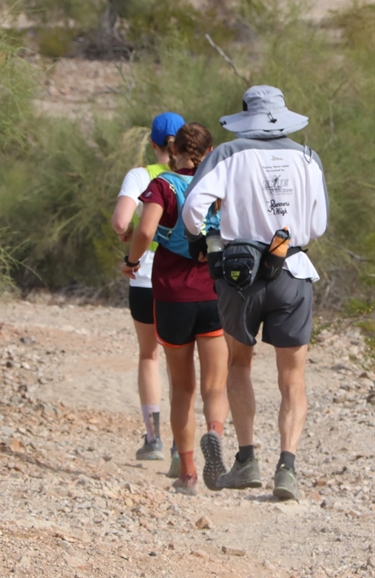 Estrella Mountain Regional Park offers more than scenic desert views—it is a place shaped by thousands of years of cultural and natural history.
Early Inhabitants
- Hohokam Culture (500 A.D. – 1450 A.D.)
- The Hohokam people were the earliest known inhabitants of the area.
- Developed advanced irrigation systems
- Relied on nearby rivers and streams
- Practiced desert agriculture
- Maricopa and Pima Peoples (1600s – Present)
- These tribes lived along the Gila River and continue to have strong cultural ties to the region today.
Exploration and Settlement
- Spanish Exploration (Late 1600s)
- Father Eusebio Francisco Kino traveled through the area and documented the Sierra Estrella mountains.
- Changing Ownership
- Governed by Spain, then Mexico
- Became part of the United States in 1848 (Treaty of Guadalupe Hidalgo)
- Final boundaries established with the Gadsden Purchase
- Reservation and Community Development
- Gila River Indian Reservation established in 1859
- Farming communities grew in the late 1800s
- Nearby towns like Avondale and Goodyear were established
Creation of the Park
- Community Effort (1953)
- Local residents partnered with Maricopa County to create a public park in the West Valley.
- Early Development
- Initial size: just over 800 acres
- Began as a community park
- Regional Park Designation (Late 1950s)
- The park became part of Maricopa County’s regional park system and continued to grow.
Estrella Park Today
- Thousands of acres of protected Sonoran Desert
- A wide range of recreational opportunities
- Large areas remain natural and undisturbed
- Preserves landscapes similar to those seen by early inhabitants and explorers
Why It Matters
Estrella Mountain Regional Park protects important natural and cultural resources while providing opportunities for outdoor recreation, education, and connection to the desert.